
Sleep Apnea Evaluation
Severe snoring, chronic fatigue, breathing pauses at night? Obstructive sleep apnea is a common, underdiagnosed condition that can have serious consequences for your health. Dr. Yoskovitch identifies the structural ENT causes of your apnea in Laval and Greater Montreal.
Dr. Adi Yoskovitch
Contact Information
Phone :
Hours :
Monday–Friday :
8 AM–4 PM
Key Figures
Years of Experience in ENT Surgery
?
Adults Affected by Sleep Apnea
?
Of Apnea Cases Undiagnosed
?
Key Role in Structural Diagnosis
?
Years of Excellence
RECOGNIZING THE SIGNS
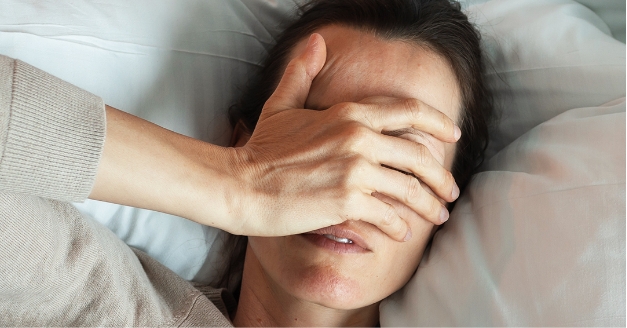
Do You Have Sleep Apnea?
Obstructive sleep apnea syndrome (OSAS) is characterized by repeated breathing pauses during sleep. Do you recognize these symptoms in yourself or your partner?
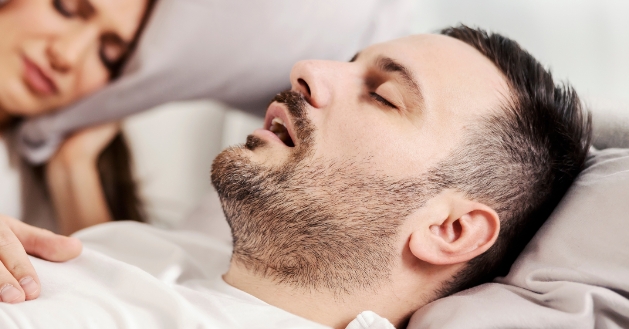
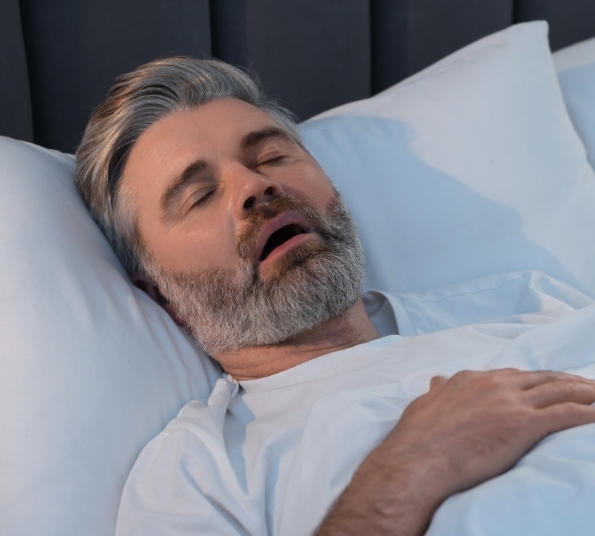
Severe Snoring
Loud, irregular snoring interrupted by silences (breathing pauses) followed by loud resumptions. Often first noticed by a sleep partner.

Chronic Fatigue
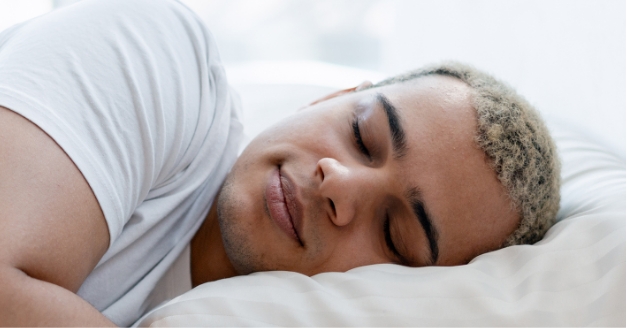
Excessive daytime sleepiness despite a normal night’s sleep. A feeling of never being rested, an overwhelming need to nap, involuntary dozing off.
Breathing Pauses
Breathing stoppages observed by a partner, followed by abrupt resumption with a choking sensation. Each pause can last from 10 seconds to more than a minute.
Cognitive Difficulties
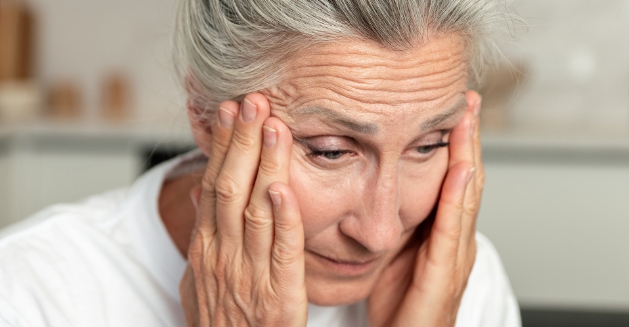
Difficulty concentrating, memory problems, irritability, and mood changes linked to a lack of restorative sleep and repeated nighttime micro-awakenings.
Cardiovascular Risks
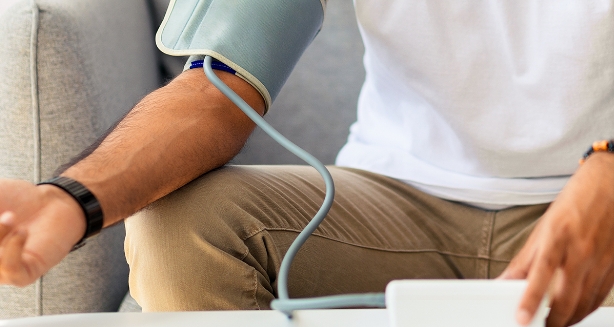
Untreated apnea significantly increases the risk of high blood pressure, stroke, heart attack, cardiac arrhythmia, and type 2 diabetes.
Nighttime Awakenings
Frequent awakenings with a choking sensation, dry mouth, night sweats, frequent nighttime urination (nocturia), and morning headaches.
THE ROLE OF THE ENT SPECIALIST
Why Consult an ENT Specialist for Sleep Apnea?
Obstructive sleep apnea is caused by a blockage of the upper airway during sleep. The ENT specialist is the expert in the anatomy of these airways — nose, throat, pharynx, larynx — and the only specialist able to identify and treat the structural causes of this obstruction.
Unlike a pulmonologist, who focuses on respiratory aspects and prescribing CPAP, the ENT specialist assesses whether a correctable anatomical abnormality exists, sometimes offering an alternative or complement to positive airway pressure therapy.
Examination of the Pharynx and Soft Palate
Assessment of the size of the uvula, soft palate, and tonsils. Identification of obstruction sites during breathing.
Nasal Endoscopy
Detailed examination of the nasal septum, turbinates, and sinuses to detect a septal deviation or turbinate hypertrophy contributing to the obstruction.
Tongue Base Assessment
Evaluation of the volume of the tongue base and epiglottis, frequent sites of obstruction in moderate to severe apnea.
Sleep Study Prescription
Home sleep apnea testing or in-lab polysomnography to quantify the severity of apnea (apnea-hypopnea index, AHI).
CLASSIFICATION
Understanding the Severity of Your Apnea
The apnea-hypopnea index (AHI) measures the number of breathing stoppages or slowdowns per hour of sleep. It determines the severity of your syndrome and guides treatment choice.
• No apnea: No sleep apnea. Simple snoring possible.
• Mild apnea: A mandibular advancement device or ENT surgery is often sufficient.
• Moderate apnea: CPAP, an oral device, or surgery depending on ENT anatomical evaluation.
• Severe apnea: CPAP is generally indicated. ENT surgery as a complement if CPAP is not tolerated.
TREATMENT OPTIONS
Sleep Apnea Treatments
Dr. Yoskovitch guides you toward the solution, or combination of solutions, best suited to your specific situation.
CPAP (Continuous Positive Airway Pressure)
The gold-standard treatment for moderate to severe apnea. A device that keeps the airway open with a continuous flow of air delivered through a nasal or facial mask worn during sleep.
Mandibular Advancement Device
A custom-fitted dental appliance that advances the lower jaw to clear the airway. An effective alternative to CPAP for mild to moderate apnea or in cases of CPAP intolerance.
Nasal Surgery
Septoplasty (septal correction) and/or turbinoplasty (turbinate reduction) to clear obstructed nasal passages and improve the effectiveness of CPAP or an oral device
Soft Palate Surgery
Uvulopalatopharyngoplasty (UPPP) to widen the airway at the level of the pharynx. Removal of the tonsils, uvula, and repositioning of the soft palate.
Adenotonsillectomy (Children)
In children, removal of the tonsils and adenoids is the first-line treatment for sleep apnea. High success rate in children without obesity.
Comprehensive Care
Weight loss, sleep hygiene, side-sleeping position, and treatment of nasal allergies complement the main treatments for optimal results.

YOUR JOURNEY
From Suspicion to Treatment
Dr. Yoskovitch guides you through every step in Laval and Greater Montreal.

Initial ENT Consultation
An in-depth discussion of your symptoms, sleep quality, your partner’s observations, and your medical history. A complete ENT examination: nose, throat, pharynx, tongue base, soft palate. Identification of potential obstruction sites.

Sleep Study
Prescription of a home sleep apnea test or in-lab polysomnography to quantify your AHI and confirm the diagnosis of sleep apnea. Results are generally available within 1–2 weeks.

Diagnosis & Treatment Plan
Cross-analysis of the sleep study results and the ENT anatomical assessment. Dr. Yoskovitch explains the severity of your apnea, the structural causes identified, and proposes a personalized treatment plan.

Treatment Implementation
Depending on your profile: CPAP prescription, referral to a specialized dentist for an oral device, or planning of ENT surgery (septoplasty, turbinoplasty, tonsillectomy, UPPP). Approaches are often combined.

Follow-up & Reassessment
A follow-up sleep study after treatment to verify improvement in your AHI. Adjustments as needed. Dr. Yoskovitch collaborates with your pulmonologist and dentist for coordinated care.
FREQUENTLY ASKED QUESTIONS
Everything About Sleep Apnea
Dr. Yoskovitch answers the most frequently asked questions from his patients in Laval and Greater Montreal.
Obstructive sleep apnea syndrome (OSAS) is a breathing disorder characterized by repeated breathing pauses during sleep, caused by the relaxation and collapse of the soft tissues of the upper airway (throat, soft palate, tongue base).
These pauses last at least 10 seconds and can occur dozens, even hundreds, of times per night, causing unconscious micro-awakenings that fragment sleep and prevent reaching restorative deep sleep stages.
The two specialists are complementary, not competing:
- The ENT specialist evaluates the anatomical causes of obstruction: septal deviation, turbinate or tonsil hypertrophy, excess soft palate tissue, an enlarged tongue base. They can offer targeted surgical solutions.
- The pulmonologist focuses on respiratory aspects, prescribes CPAP, and manages the equipment follow-up.
Dr. Yoskovitch works closely with pulmonologists in Laval and Greater Montreal to ensure optimal, coordinated care.
Yes, untreated sleep apnea is a major risk factor for numerous serious conditions:
- High blood pressure (risk multiplied by 3)
- Stroke and heart attack
- Cardiac arrhythmia (atrial fibrillation)
- Type 2 diabetes
- Depression and cognitive impairment
- Road accidents (drowsy driving)
This is why early diagnosis and prompt treatment are essential.
The sleep study is painless and can be conducted in two ways:
- Home sleep apnea test: A portable device you take home. It measures nasal airflow, breathing movements, and blood oxygen levels during your usual night’s sleep. Minimum 6 hours of recording.
- In-lab polysomnography: A more comprehensive exam performed at a sleep clinic, with additional sensors (EEG, EMG, EOG). Reserved for complex cases or when the home test is inconclusive.
The results allow your AHI to be calculated and confirm or rule out a diagnosis of apnea.
Yes. The ENT consultation, endoscopic examination, and medically prescribed sleep studies are covered by RAMQ when the physician participates in the public plan. ENT surgical procedures (septoplasty, turbinoplasty, tonsillectomy) are also covered as functional surgeries.
CPAP and mandibular devices may be partially covered depending on your insurance plan (RAMQ + private insurance).
In some cases, yes. Alternatives to CPAP include:
- ENT surgery: Correction of the nasal septum, turbinate reduction, tonsillectomy, or soft palate surgery can eliminate the structural cause of the obstruction
- Mandibular advancement device: Effective for mild to moderate apnea
- Weight loss: A 10% reduction in body weight can reduce AHI by 26%
Dr. Yoskovitch assesses whether your anatomy is suited to a surgical solution that could reduce or eliminate your dependence on CPAP.
Yes, and it’s more common than people think. In children, sleep apnea is mainly caused by enlarged tonsils and adenoids. Signs to watch for:
- Regular snoring
- Constant mouth breathing
- Restless sleep, night sweats
- Daytime fatigue, difficulties at school
- Behavioral issues (hyperactivity, irritability)
The first-line treatment in children is adenotonsillectomy, with a high success rate. Dr. Yoskovitch evaluates and treats children at his Laval and Greater Montreal clinics.
The link is direct and often underestimated. Chronic nasal obstruction (septal deviation, turbinate hypertrophy, polyps):
- Forces mouth breathing during sleep
- Increases pharyngeal collapse (airway narrowing)
- Reduces the effectiveness of CPAP (air leaks, intolerance)
- Worsens snoring and apnea
Surgical correction of nasal obstruction (septoplasty, turbinoplasty) can significantly improve CPAP tolerance and, in mild cases, reduce the AHI enough to eliminate the need for equipment.
CPAP intolerance is common (30–50% of patients long-term), and this is exactly where the ENT specialist plays a crucial role:
- Surgical nasal optimization: Improving nasal airflow reduces leaks and increases tolerance
- Mandibular advancement device: A validated alternative, especially for mild to moderate apnea
- Soft palate surgery (UPPP): Widening of the pharyngeal airway
- Hypoglossal nerve stimulation: An implant that stimulates the tongue to keep the airway open (selected cases)
Dr. Yoskovitch evaluates your anatomy to determine which alternative will offer you the best results.
Warning signs that should prompt you to seek consultation:
- Your partner notices loud snoring with breathing pauses
- You wake up with a dry mouth or headaches
- You are constantly tired despite getting enough hours of sleep
- You easily fall asleep during the day (meetings, driving, reading)
- You often get up at night to urinate
If you recognize 2 or more of these signs, book a consultation with Dr. Yoskovitch in Laval for a complete ENT evaluation. Early diagnosis changes lives.
TIRED OF SLEEPING POORLY? HAVE YOUR SLEEP APNEA EVALUATED.
Finally Get
Restorative Sleep
Book a consultation with Dr. Yoskovitch in Laval or Greater Montreal for a complete ENT evaluation of your sleep apnea. Identify the causes, explore the solutions, and take back control of your nights.

Phone :
Hours :
Monday–Friday:
8 AM–4 PM